When we think about the evolution of rockets and their role in modern technology—whether in space exploration, military applications, or other advanced fields—we often focus on recent scientific breakthroughs. However, one of the most fascinating and lesser-known stories is how Tipu Sultan, the 18th-century ruler of Mysore, laid the groundwork for rocket technology that would go on to impact history in unexpected ways. His use of rockets in warfare not only shaped the history of India but also left a legacy that would influence Western rocket science and ultimately contribute to global space exploration.
This story isn’t just about technology; it’s also about human factors and human systems integration—the understanding that technology must be designed to work with human limitations and strengths. Tipu Sultan’s ingenuity in weaponizing rockets shows how innovation, underpinned by a deep understanding of human behavior, can change the course of history.
Who Was Tipu Sultan?
Tipu Sultan, often called the “Tiger of Mysore,” was one of India’s most visionary and fierce leaders. Born in 1751, he ascended to the throne of the Kingdom of Mysore in southern India in 1782, following the death of his father, Sultan Hyder Ali. Tipu Sultan was not only a warrior but also a skilled administrator, a reformist, and a pioneer of military technology. His most notable contribution was in the field of rocket technology.
Tipu Sultan’s reign was marked by continuous battles against the British East India Company, which was expanding its control over India. His resistance to British colonialism made him a central figure in the early Indian struggle for independence. Though he was ultimately defeated in 1799 during the Fourth Anglo-Mysore War, his legacy as a symbol of resistance against colonialism lives on.
The Rocket’s Red Glare: Tipu Sultan’s Revolutionary Warfare
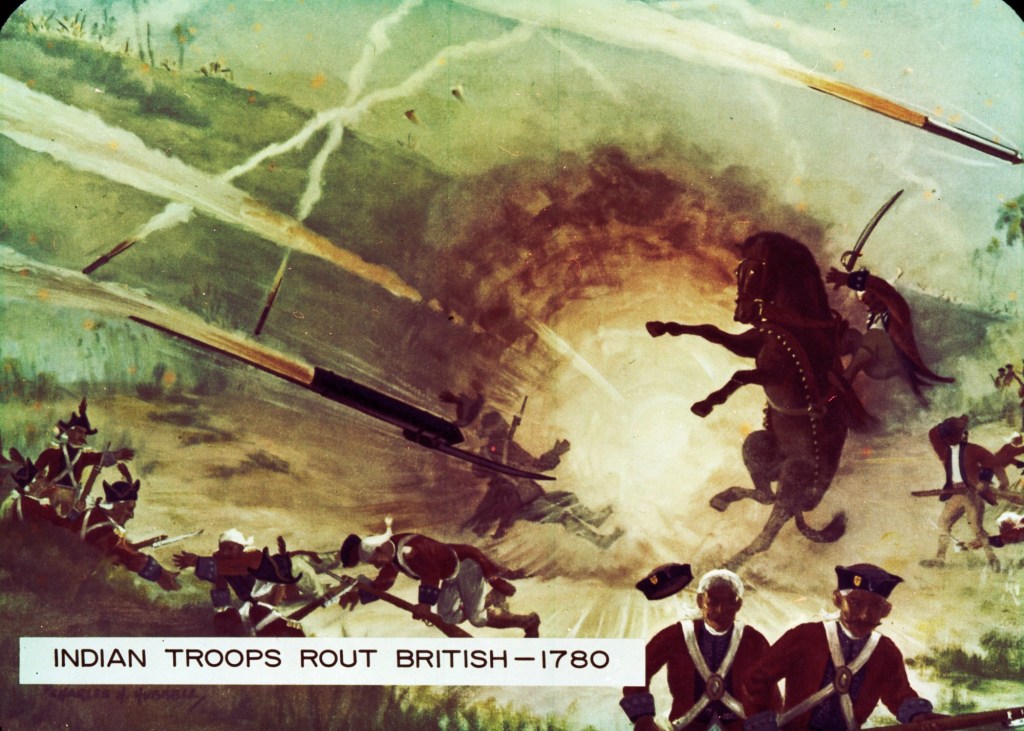
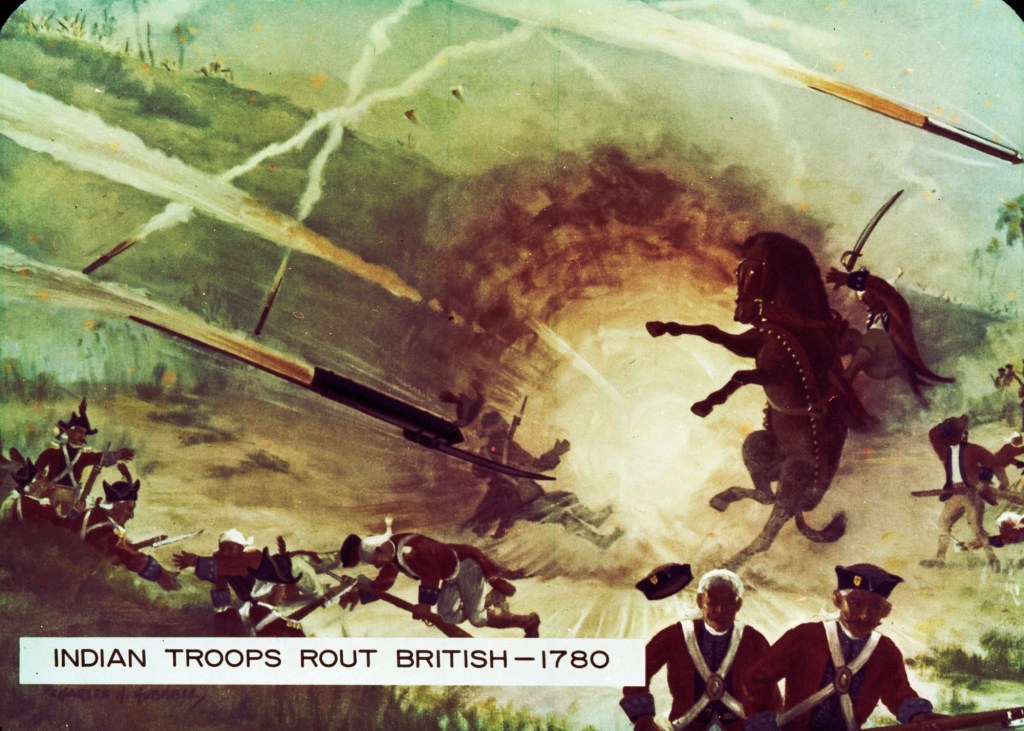
In 1780, during the Battle of Guntur, Tipu Sultan’s forces deployed a weapon that would change the course of warfare: rockets. The Indian rockets—used by Tipu’s military to great effect—were an early form of rocketry that overwhelmed British forces. These weren’t the crude fireworks of the time, but sophisticated weapons designed for battle, capable of traveling great distances and causing fear and confusion on the battlefield. The rockets had an impressive range, and their effectiveness forced the British to rethink their strategies.
From a human factors perspective, Tipu Sultan’s use of rockets was an innovative response to the challenges of warfare. He understood that the psychological impact of a rocket barrage—coupled with the unpredictable nature of the weapons—could disrupt the British troops’ discipline and cause chaos in their formations. This use of technology showed an early understanding of how human psychology and behavior could be influenced by new tools and systems.
Tipu Sultan’s Legacy: From India to the World
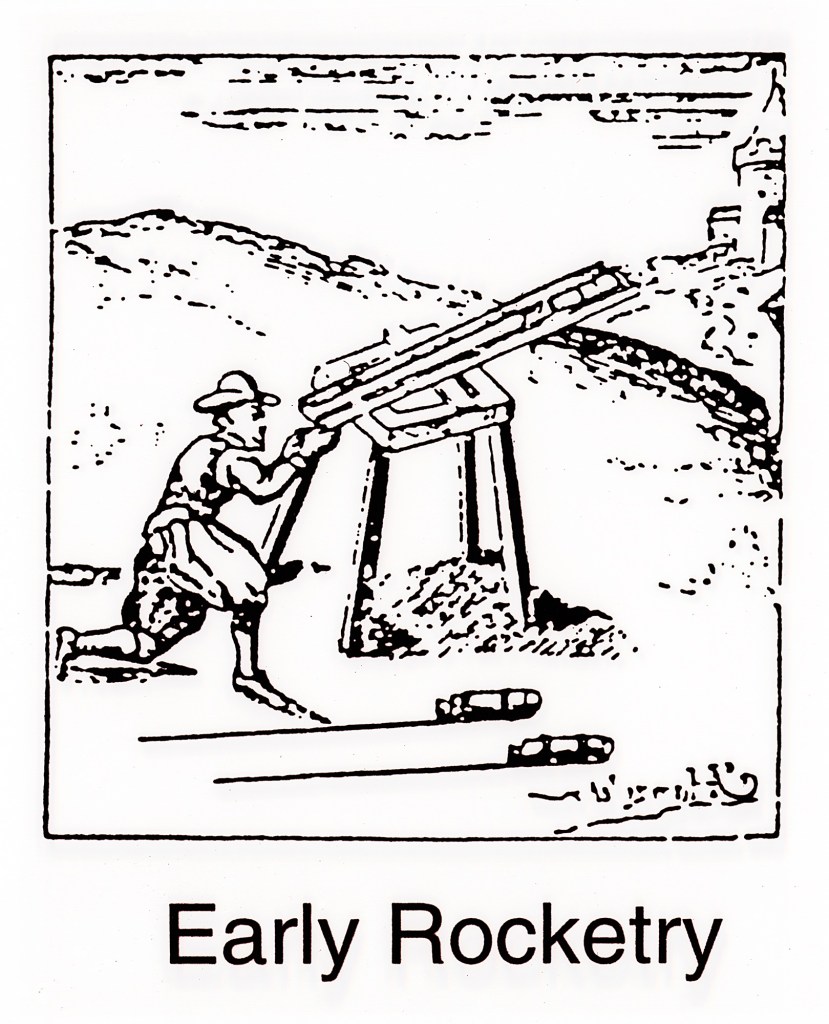
After Tipu Sultan’s defeat, the British took note of the rocket technology used by his forces. They were fascinated by the effectiveness of these weapons and sought to adapt them for their own military use. This led to the work of Sir William Congreve, who, inspired by Tipu Sultan’s rockets, developed the Congreve rocket in the early 19th century. Congreve rockets were much larger and more powerful, capable of reaching altitudes of 9,000 feet.
The British used these rockets during the War of 1812 against the United States. It was during this conflict that Francis Scott Key famously wrote the words “the rocket’s red glare,” immortalized in the American national anthem, The Star-Spangled Banner. Ironically, the rockets that fired the “red glare” in the sky were rooted in the military innovations of Tipu Sultan, a man who had spent his life fighting against British imperialism.
Human Factors: The Connection Between Tipu Sultan and Modern Rocketry
Now, let’s bring this fascinating history into the realm of modern human factors and human systems integration. Today, when designing complex systems—whether it’s for aviation, space exploration, or military applications—engineers must integrate human capabilities and limitations into the system design. This involves understanding human performance, adaptability, and response to stress, and ensuring that systems are designed to optimize these factors.
Tipu Sultan’s rockets, though primitive by today’s standards, were a remarkable example of human-centered design. He understood that the human element—the ability to strike fear, cause confusion, and create chaos—was just as important as the technology itself. The rockets were not merely technological marvels; they were weapons that took into account the human experience of battle—how soldiers would react to the sight of rockets soaring through the sky and how that reaction could alter the course of conflict.
In the same way, modern rocket scientists at NASA, SpaceX, and other space agencies are deeply concerned with human factors. For instance, the design of space capsules, rockets, and systems for astronauts doesn’t just consider the technology but also the physical and psychological stresses placed on humans in extreme environments. Every detail—from life support systems to the psychological resilience of astronauts—is meticulously planned and designed with human systems integration in mind.
Tipu Sultan’s Enduring Influence on Space Exploration
Today, as rockets launch from modern space facilities, Tipu Sultan’s legacy remains embedded in the very technology that powers these launches. In fact, some of the rocket systems used today trace their roots back to the Indian rockets of Tipu Sultan. NASA’s Wallops Flight Facility, which is home to cutting-edge rocket launches, even houses art depicting these early Indian rockets, reminding us that the journey of rockets began long before space exploration.
Conclusion: Honoring Heritage, Shaping the Future
Tipu Sultan’s story is not only one of technological innovation but also a testament to human resilience and adaptability. His use of rockets in battle is a powerful example of how human creativity, paired with the right technological tools, can change the course of history. As we look toward the future—whether in aerospace, defense, or other fields—we can learn from Tipu Sultan’s integration of technology with human behavior and the importance of designing systems that consider both human capabilities and limitations.
So, the next time you see a rocket launch or hear the words “rockets’ red glare,” remember that behind these words is a rich history of Indian innovation, resistance against colonialism, and an enduring legacy that continues to influence the technology we use today. Tipu Sultan may have fought against the British, but his contributions have helped launch humanity into the space age, uniting history, innovation, and human factors in ways that are truly remarkable.

References:
1. Tipu Sultan’s Military Innovations and Use of Rockets:
• “Tipu Sultan: The Tyrant of Mysore” by K.K. Aziz – Provides insights into Tipu Sultan’s military strategies, including his use of rocket artillery.
• “The Rocket Wars of Tipu Sultan” by P.M. Rao – A detailed look into Tipu Sultan’s use of rockets and their impact on warfare.
2. British Adaptation of Rocket Technology:
• “The History of Rocketry and Space Travel” by G. Harry Stine – A comprehensive history of rocket development, including the British adaptation of Indian rockets.
• “Congreve Rockets: A Military Innovation” by R. P. B. Harkness – Discusses the development of Congreve rockets inspired by Tipu Sultan’s technology and their use in the War of 1812.
3. Human Factors and Human Systems Integration:
• “Introduction to Human Factors Engineering” by Christopher D. Wickens – Offers foundational knowledge on human factors and how technology interacts with human performance.
• “Human Factors in Aerospace Systems” by Don Harris and Michael A. J. Wilson – Explores human factors in the context of aerospace systems, drawing parallels with historical and modern technological systems.
4. Tipu Sultan and India’s Struggle for Independence:
• “Tipu Sultan: The Defender of India” by M. S. Narayanan – Discusses Tipu Sultan’s role in resisting British colonial rule and his significance in India’s broader struggle for independence.
5. Space Exploration and Human Factors:
• “Human Factors in Space: The Psychology of Astronaut Performance” by Karen M. K. Smith – Delves into the importance of human factors in space exploration and the design of systems for astronauts.

 Human Factors HQ
Leave a comment