Human Factors HQ
Exploring the Intersection of People, Performance, and Safety in the Skies and Beyond
Home
About
Contact
The Journey Begins
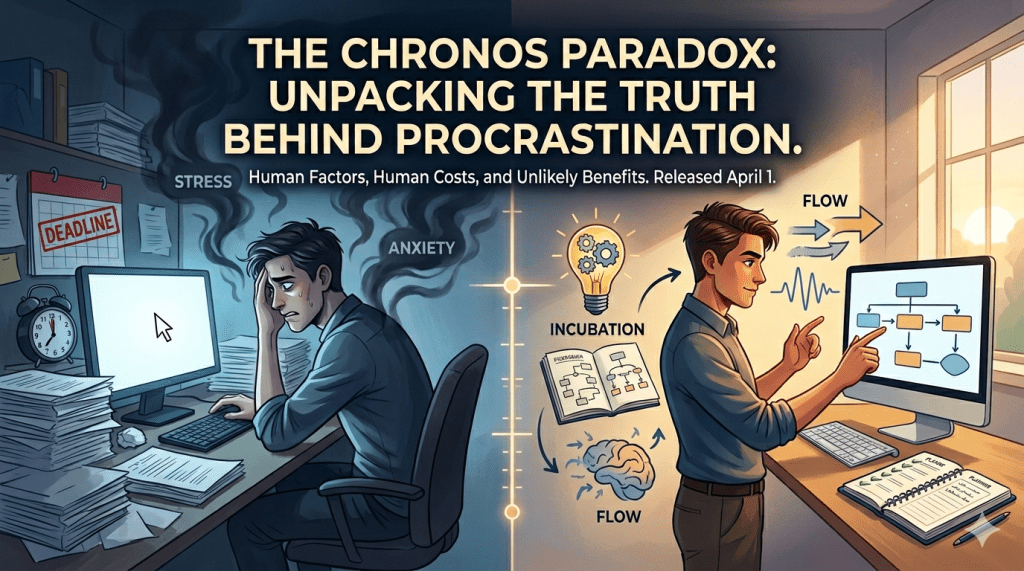
I Was Supposed to Post This on April 1st. Here is Why I Didn’t.
aerospace
,
aerospace physiology
,
AI
,
Checklist
,
fatigue
,
fitness
,
History
,
human error
,
human factors
,
Human Performance
,
physiology
,
Prioritize
,
Sleep Hygiene
,
sleep science
,
star wars
4.5
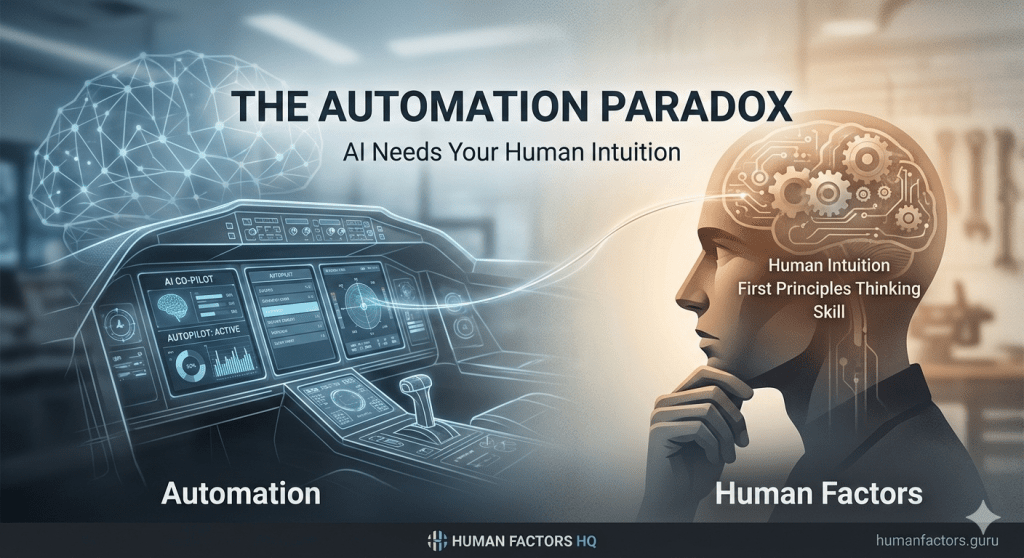
The Automation Paradox: Why AI Makes Your “Human Intuition” More Important Than Ever
aerospace
,
aerospace physiology
,
AI
,
Checklist
,
fatigue
,
fitness
,
History
,
human error
,
human factors
,
Human Performance
,
physiology
,
Prioritize
,
Sleep Hygiene
,
sleep science
,
star wars
,
Uncategorized
3.1
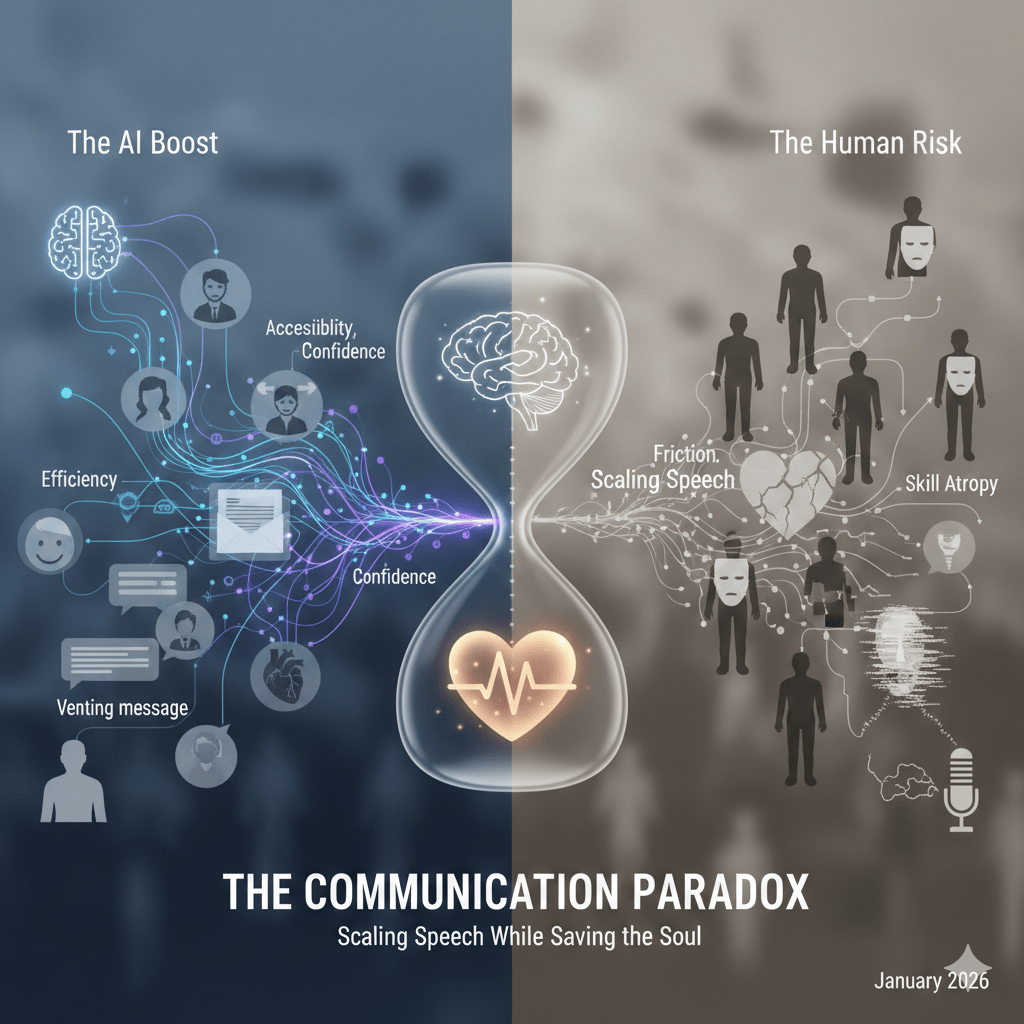
The AI Communication Paradox
aerospace
,
aerospace physiology
,
AI
,
Checklist
,
fatigue
,
fitness
,
History
,
human error
,
human factors
,
Human Performance
,
physiology
,
Prioritize
,
Sleep Hygiene
,
sleep science
,
star wars
1.26
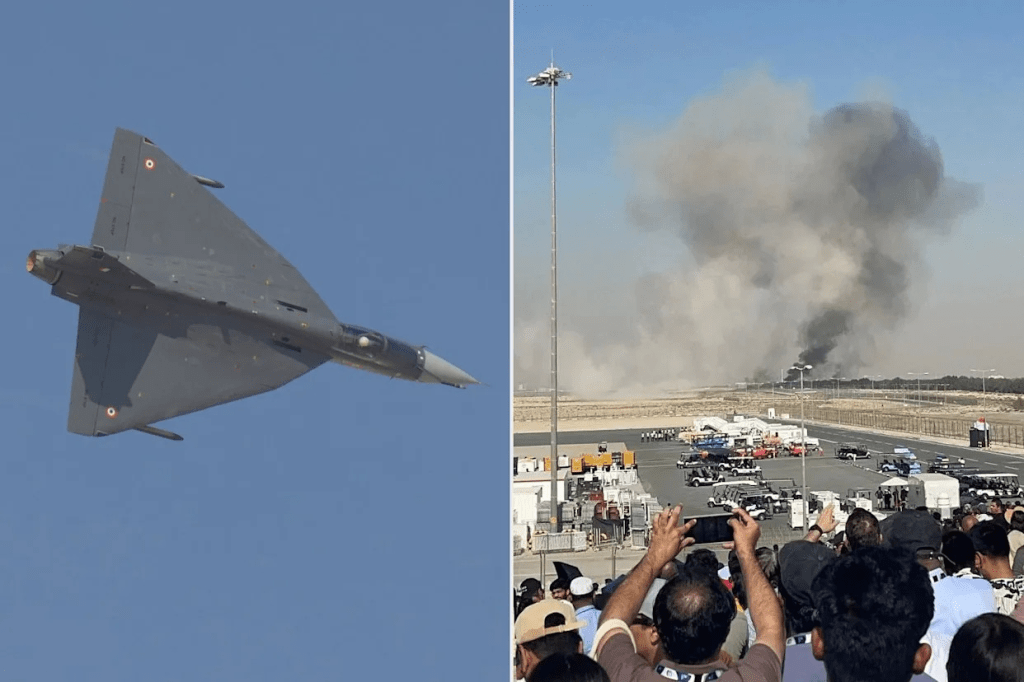
Tejas Crash in the UAE: Acceleration, G Forces, and the Push–Pull Effect
aerospace
,
aerospace physiology
,
Checklist
,
fatigue
,
fitness
,
History
,
human error
,
human factors
,
Human Performance
,
physiology
,
Prioritize
,
Sleep Hygiene
,
sleep science
,
star wars
12.21
Why Failure is a Flight Plan, Not a Freefall
aerospace
,
aerospace physiology
,
Checklist
,
fatigue
,
fitness
,
History
,
human error
,
human factors
,
Human Performance
,
physiology
,
Prioritize
,
Sleep Hygiene
,
sleep science
,
star wars
11.1
Two Minutes That Can Save Your Day (and Maybe Your Life): The Leadership Secret Most People Ignore
aerospace
,
aerospace physiology
,
Checklist
,
fatigue
,
fitness
,
History
,
human error
,
human factors
,
Human Performance
,
physiology
,
Prioritize
,
Sleep Hygiene
,
sleep science
,
star wars
9.15
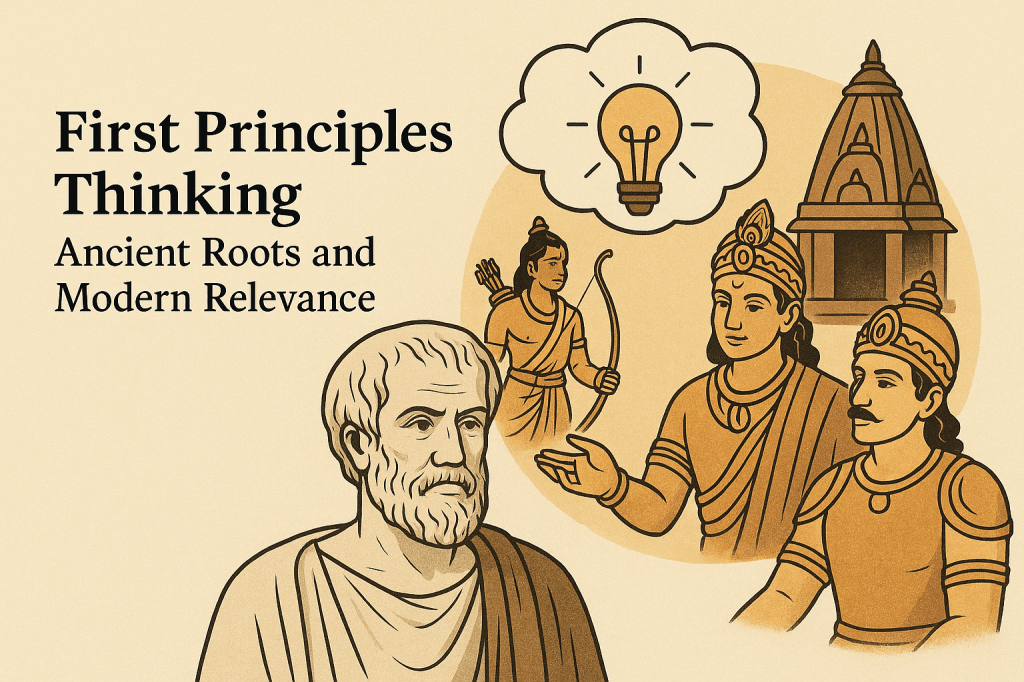
First Principles Thinking: Ancient Roots and Modern Relevance
aerospace
,
aerospace physiology
,
Checklist
,
fatigue
,
fitness
,
History
,
human error
,
human factors
,
Human Performance
,
physiology
,
Prioritize
,
Sleep Hygiene
,
sleep science
,
star wars
8.2
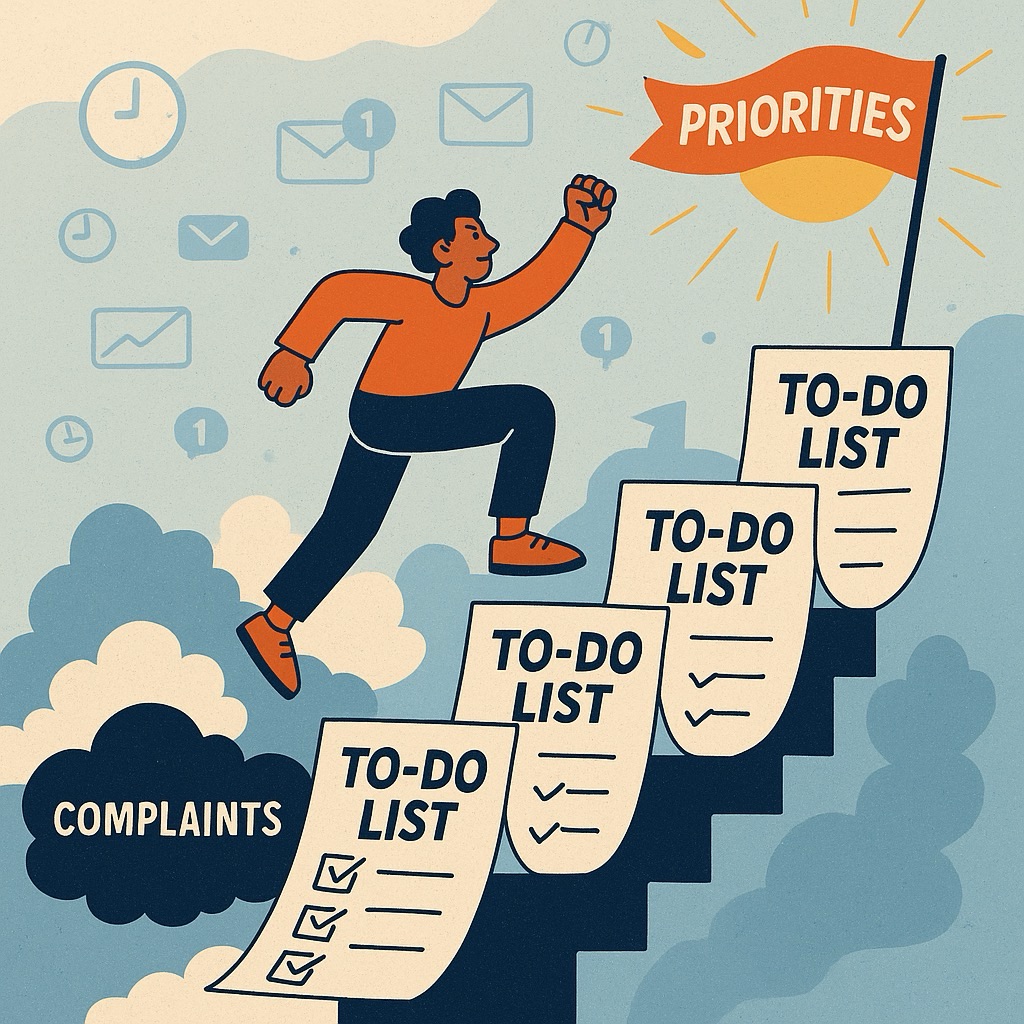
Stop Complaining, Start Conquering: The Life-Changing Power of Prioritizing Like a Pro
aerospace
,
aerospace physiology
,
Checklist
,
fatigue
,
fitness
,
History
,
human error
,
human factors
,
Human Performance
,
physiology
,
Prioritize
,
Sleep Hygiene
,
sleep science
,
star wars
7.5
Ditch the Gym, Unleash Your Inner Awesome: 63 Days to Bodyweight Brilliance!
aerospace
,
aerospace physiology
,
fatigue
,
fitness
,
History
,
human error
,
human factors
,
Human Performance
,
physiology
,
Sleep Hygiene
,
sleep science
,
star wars
6.4
The Force Within Us – Part III: The Hidden Power of Trust
aerospace
,
aerospace physiology
,
fatigue
,
History
,
human error
,
human factors
,
Human Performance
,
physiology
,
Sleep Hygiene
,
sleep science
,
star wars
5.18
“Your focus determines your reality.” – Qui-Gon Jinn: Mastering Attention in a Chaotic Galaxy (and Your Workplace)
aerospace
,
aerospace physiology
,
fatigue
,
History
,
human error
,
human factors
,
Human Performance
,
physiology
,
Sleep Hygiene
,
sleep science
,
star wars
5.12
The Force Within Us – Part I: From Jedi Wisdom to Decisive Action
aerospace
,
aerospace physiology
,
fatigue
,
History
,
human error
,
human factors
,
Human Performance
,
physiology
,
Sleep Hygiene
,
sleep science
,
star wars
5.5
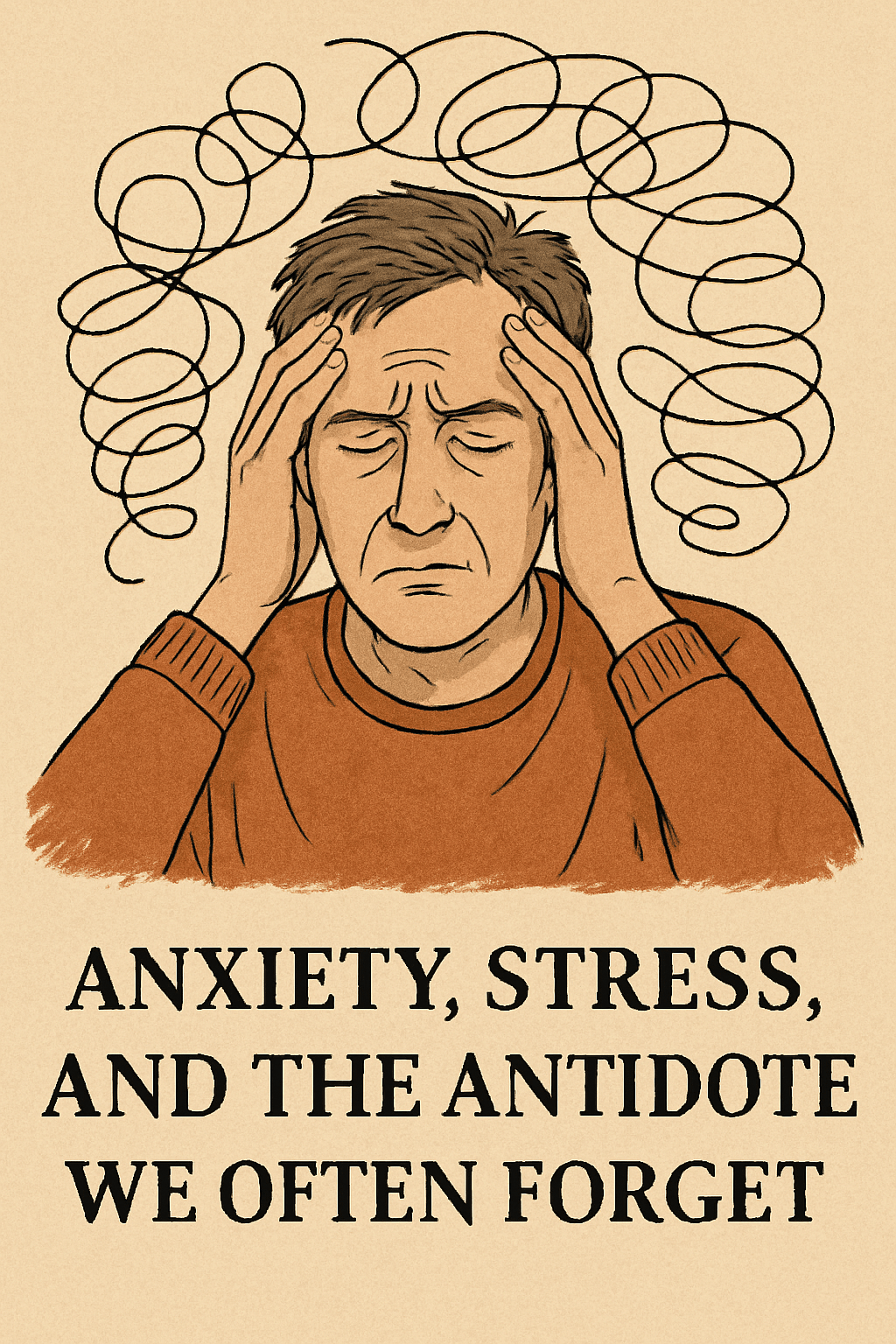
Anxiety, Stress, and the Antidote We Often Forget
aerospace
,
aerospace physiology
,
fatigue
,
History
,
human error
,
human factors
,
Human Performance
,
physiology
,
Sleep Hygiene
,
sleep science
4.20
“Why Can’t I Remember That?” — A Human Factors Dive into Retention & Real-Time Recall
aerospace
,
aerospace physiology
,
fatigue
,
History
,
human error
,
human factors
,
Human Performance
,
physiology
,
Sleep Hygiene
,
sleep science
4.13
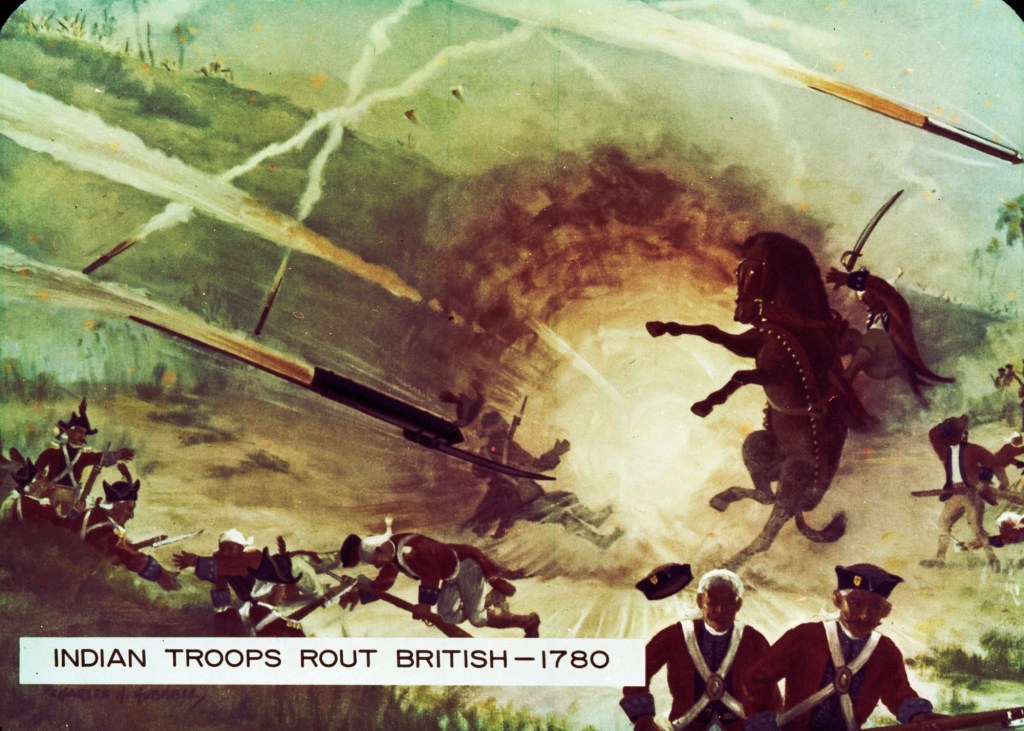
From Tipu Sultan to NASA: The Legacy of Rockets and Human Factors Innovation
aerospace
,
aerospace physiology
,
fatigue
,
History
,
human error
,
human factors
,
Human Performance
,
physiology
,
Sleep Hygiene
,
sleep science
4.6
The Power of Naps: Why You Should Be Napping and How to Do It Right
aerospace
,
aerospace physiology
,
fatigue
,
human error
,
human factors
,
Human Performance
,
physiology
,
Sleep Hygiene
,
sleep science
2.17
Lessons for Leaders: Human Factors and Decision-Making Under Pressure
aerospace
,
aerospace physiology
,
fatigue
,
human error
,
human factors
,
Human Performance
,
physiology
,
Sleep Hygiene
,
sleep science
,
Uncategorized
12.12
Lessons from Aerospace Physiology for Everyday Fitness and Wellbeing
aerospace
,
aerospace physiology
,
fatigue
,
human error
,
human factors
,
Human Performance
,
physiology
,
Sleep Hygiene
,
sleep science
,
Uncategorized
12.9
Stress Management Techniques Inspired by High-Altitude Training
aerospace
,
aerospace physiology
,
fatigue
,
human error
,
human factors
,
Human Performance
,
physiology
,
Sleep Hygiene
,
sleep science
,
Uncategorized
11.17
Breaking the Mental Block: 5 Psychological Barriers to Weight Loss (and How to Outsmart Them)
aerospace
,
aerospace physiology
,
fatigue
,
human error
,
human factors
,
Human Performance
,
physiology
,
Sleep Hygiene
,
sleep science
,
Uncategorized
11.11
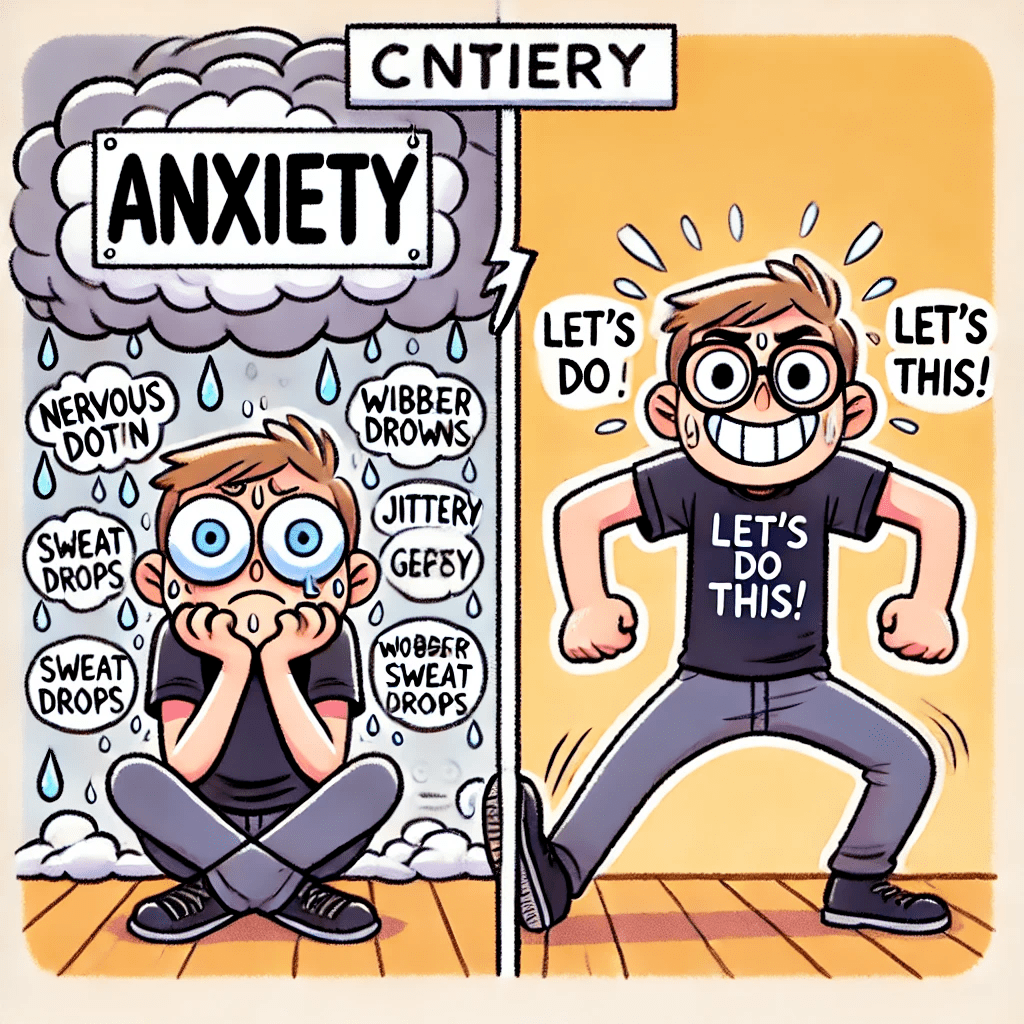
Overcoming Anxiety for Better Performance
aerospace
,
aerospace physiology
,
fatigue
,
human error
,
human factors
,
Human Performance
,
physiology
,
Sleep Hygiene
,
sleep science
,
Uncategorized
11.10
Oops and Aha! The Lessons Behind Fighter Pilot Training
aerospace
,
aerospace physiology
,
fatigue
,
human error
,
human factors
,
Human Performance
,
physiology
,
Sleep Hygiene
,
sleep science
,
Uncategorized
11.8
Human Factors in Everyday Life: Laughing While We Learn
aerospace
,
aerospace physiology
,
fatigue
,
human error
,
human factors
,
Human Performance
,
physiology
,
Sleep Hygiene
,
sleep science
,
Uncategorized
11.8
Surviving My First Day in the Air Force (And Every Day After)
aerospace
,
aerospace physiology
,
fatigue
,
human factors
,
Human Performance
,
physiology
,
Sleep Hygiene
,
sleep science
,
Uncategorized
11.8
5 Human Factors to Make Work Safer and Maybe Even Fun
aerospace
,
aerospace physiology
,
fatigue
,
human error
,
human factors
,
Human Performance
,
physiology
,
Sleep Hygiene
,
sleep science
11.8
Safeguarding Success: Addressing Single Point Failure
aerospace
,
aerospace physiology
,
fatigue
,
human error
,
human factors
,
Human Performance
,
physiology
,
Sleep Hygiene
,
sleep science
,
Uncategorized
4.16
Cold Plunges: Ancient Wisdom, Modern Wellness
aerospace physiology
,
fatigue
,
human error
,
human factors
,
Human Performance
,
physiology
,
Sleep Hygiene
,
sleep science
1.18
Eyes in the Sky: Photoreceptors and the Art of Situational Awareness
Uncategorized
1.17
Unlocking the Mysteries of Sleep: Lessons from ‘Why We Sleep’
aerospace
,
aerospace physiology
,
fatigue
,
human error
,
human factors
,
Human Performance
,
physiology
,
Sleep Hygiene
,
sleep science
10.19
Understanding Hypoxia in Aviation: A Silent Threat at High Altitudes
Uncategorized
10.18
Stress Management: Your Guide to a Happier, Healthier Life
aerospace
,
aerospace physiology
,
fatigue
,
human error
,
human factors
,
Human Performance
,
physiology
,
Sleep Hygiene
,
sleep science
10.16
Understanding Human Error and Strategies to Mitigate It
aerospace
,
aerospace physiology
,
fatigue
,
human error
,
human factors
,
Human Performance
,
physiology
10.15
Unlocking the Power of Intermittent Fasting: Benefits and How to Get Started
aerospace
,
aerospace physiology
,
fatigue
,
human factors
,
Human Performance
,
physiology
,
Sleep Hygiene
,
sleep science
9.23
Bridging the Gap: How AI is Revolutionizing the Field of Human Factors
human factors
9.20
The Power of Meditation: A Path to Inner Peace
Human Performance
9.20
Unleashing the Power of Human Performance: Achieving Excellence in Every Field
Uncategorized
9.20
A HISTORICAL PERSPECTIVE
aerospace
,
aerospace physiology
,
fatigue
,
human factors
,
Human Performance
,
physiology
,
Sleep Hygiene
,
sleep science
5.8
SLEEP HYGIENE III
aerospace
,
aerospace physiology
,
fatigue
,
human factors
,
Human Performance
,
physiology
,
Sleep Hygiene
,
sleep science
10.22
Sleep Hygiene Part II
Uncategorized
9.15
Human Fatigue
fatigue
,
Human Performance
,
Sleep Hygiene
,
sleep science
8.27
Two Minutes That Can Save Your Day (and Maybe Your Life): The Leadership Secret Most People Ignore
Uncategorized
12.7
1
2
3
…
15
Next Page ⪼
Subscribe
Subscribed
Human Factors HQ
Sign me up
Already have a WordPress.com account?
Log in now.
Human Factors HQ
Subscribe
Subscribed
Sign up
Log in
Report this content
View site in Reader
Manage subscriptions
Collapse this bar






 Human Factors HQ