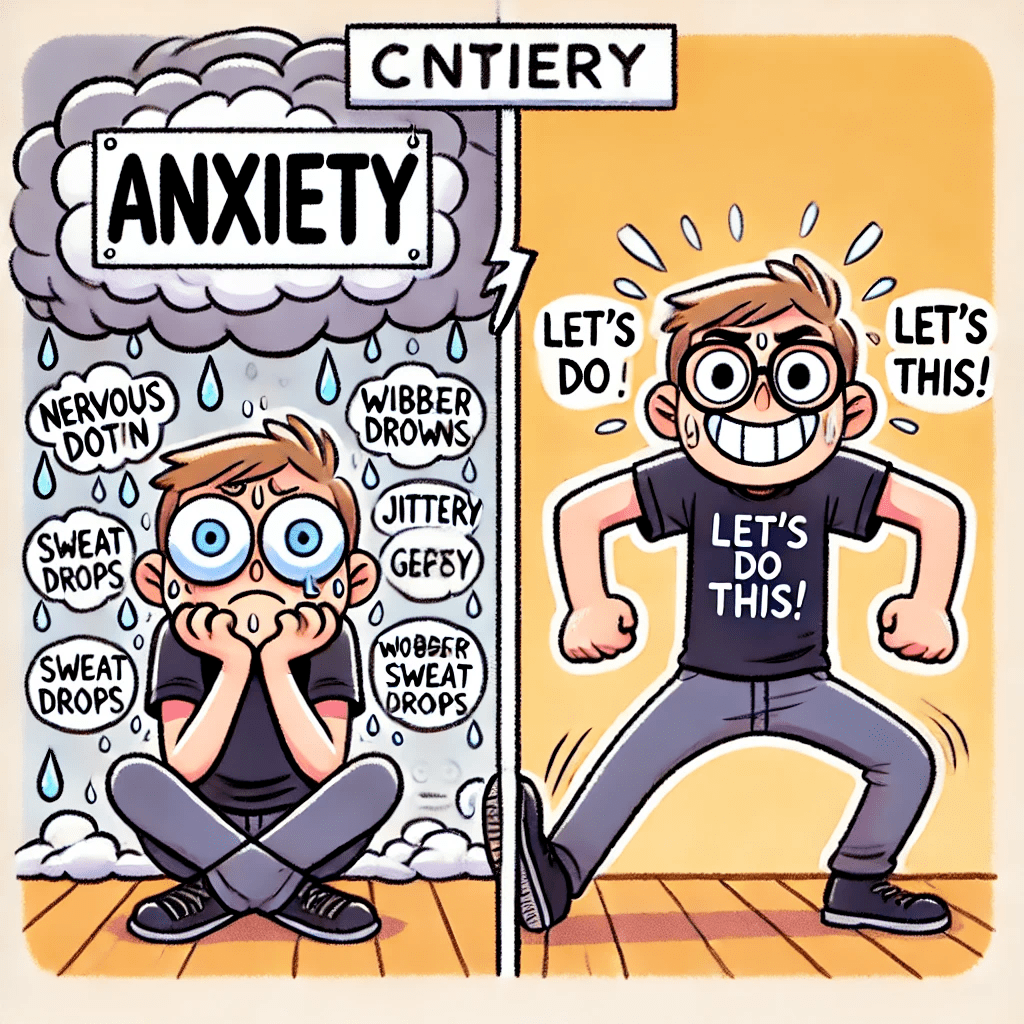
Anxiety is a common experience, particularly when it comes to high-stakes situations like exams, presentations, competitions, or even day-to-day work. While a certain level of stress can be motivating, anxiety can escalate and become detrimental to performance, affecting both physical and mental states. In this blog, we’ll explore how anxiety impacts performance and ways to manage it for better results.

Understanding Anxiety and Its Impact on Performance
Anxiety can feel overwhelming, creating a heightened sense of fear or apprehension about situations that may or may not occur. It affects performance through:
1. Mental Distraction: Anxiety diverts mental resources, making it harder to focus on the task at hand. Instead of concentrating on the work, your mind may start thinking about possible failure, consequences, or self-judgment.
2. Physical Symptoms: The “fight or flight” response can cause physical symptoms, such as increased heart rate, sweating, or even shaking, which disrupt concentration. In performance scenarios like sports or public speaking, these can be especially visible and detrimental.
3. Overthinking: Anxiety often leads to over-analysis, causing second-guessing or hesitation. This “analysis paralysis” can make even routine tasks feel overwhelming, affecting productivity and decision-making.
4. Reduced Confidence: When anxiety takes hold, it often diminishes self-confidence, leading to self-doubt and a fear of failure. This mindset makes it challenging to perform to one’s true potential.
5. Burnout Risk: Chronic anxiety can lead to burnout, especially in high-performance environments where stress is a constant factor. Over time, this results in reduced resilience, making it harder to handle even moderate pressure.
Strategies for Managing and Overcoming Anxiety
While anxiety is a natural response, there are practical strategies to manage and overcome it to improve performance.
1. Practice Mindfulness
Mindfulness techniques such as deep breathing, meditation, or grounding exercises can help keep you present and focused. Taking just a few minutes to breathe deeply or visualize a calming image can ease anxiety by activating the body’s relaxation response, calming both the mind and body.
2. Break Tasks Into Smaller Steps
When faced with a daunting task, breaking it down into smaller, manageable steps can make it feel less overwhelming. Tackle each part step by step, and celebrate small accomplishments along the way to keep motivation and confidence high.
3. Prepare and Practice
Whether it’s a presentation, an athletic performance, or an exam, preparation is a powerful tool. Practicing in realistic scenarios (e.g., rehearsing a speech in front of friends or visualizing success on a task) can desensitize you to some of the stress triggers, helping you feel more prepared and confident.
4. Challenge Negative Thoughts
Anxiety often stems from negative thinking patterns like catastrophizing or self-doubt. Challenge these thoughts by identifying them and considering evidence for or against them. Replace irrational fears with positive, realistic thoughts that reinforce your ability to perform well.
5. Establish a Routine and Structure
Routine can provide stability and predictability, reducing anxiety. Establishing a daily routine, especially before significant tasks, helps create mental and physical consistency. This can reduce performance anxiety by giving you a sense of control and preparedness.
6. Focus on Process Over Outcome
Anxiety often stems from a fixation on the outcome rather than the process. Shifting focus to what you can control—your actions, preparation, and mindset—allows you to build confidence in the journey rather than worry about results that are out of your control.
7. Seek Support
Don’t hesitate to talk to someone about your anxiety. Whether it’s a friend, family member, mentor, or therapist, sharing your experiences can ease the burden of anxiety. Sometimes, just knowing someone understands can reduce stress.
8. Engage in Physical Activity
Regular exercise helps regulate mood and reduce anxiety through the release of endorphins. Even simple activities like walking, stretching, or yoga can provide a healthy physical outlet for nervous energy and relieve stress.
In Summary
Anxiety doesn’t have to be an obstacle to success. While it’s a natural response, learning to manage it allows you to harness its energy and focus it toward productive outcomes. Through mindfulness, preparation, cognitive reframing, and self-care, anxiety can be transformed from a barrier into a stepping stone for growth.
Remember, overcoming anxiety is a process. Embracing this journey with patience and self-compassion is key. With time and practice, anxiety can become a manageable part of life, no longer hindering but empowering you toward better performance.


 Human Factors HQ
Leave a comment