
By now, it shouldn’t be a surprise to us that not sleeping enough and not sleeping well is not okay. Chronic sleep deprivation significantly affects your health, performance and safety. We have already discussed “Human Fatigue” and “short-term effects of chronic sleep deprivation.” Let’s take a deep dive into long-term effects in this blog.
LONG TERM HEALTH RISKS
Obesity

Chronic partial sleep causes two particular hormones produced by our bodies to change course. These two hormones help the body control appetite and hunger. Leptin (hormone) tells the body when it is full. Ghrelin (hormone), on the other hand, signals the brain that the body is hungry. Just like other hormones and bodily functions, the production of these two hormone is regulated by the sleep/wake cycle, also known as the circadian rhythm or circadian cycle.
So, if you have experienced a hunger pang after pulling an all-nighter or not getting enough sleep, it is because of dysregulation of these two hormones. When you don’t get enough sleep, leptin levels will decrease and your brain will send out signals indicating hunger (not full yet), even though you don’t need to eat. Simultaneously, ghrelin levels will increase indicating to your brain that you are hungry.
When these hunger pangs are felt, we are more likely to grab high density food. Food that is high in fats, sugars, and calories instead of healthy foods. Physical and mental stresses create similar food binges. These extra calories tend to be stored in the stomach area.
Additionally, human growth hormone that regulates body’s proportions of fat and muscle, is lowered due to lack of sleep. Furthermore, sleep loss will rob you of your energy stores needed for regular exercise.
Type 2 Diabetes

Chronic partial sleep and type 2 diabetes are conjoined twins. Actually, each can lead to the other. However, here, we will focus primarily on how chronic sleep loss can lead to type 2 diabetes. As mentioned above, sleep loss have an effect on hormone production and regulation. These hormonal adjustments can affect the bodies control measures that keep a check on blood sugar levels and body weight.
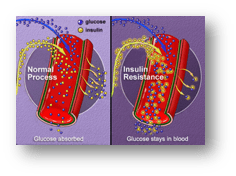
Cortisol, widely known as the stress hormone, is released in larger quantities, when we don’t get enough sleep. High cortisol levels messes up our sleep cycles and can even keep us up at night. Additionally, high cortisol levels acts as a barrier for glucose to get into cells for energy production. Furthermore, this leads to glucose accumulation in bloodstream.
Insulin, another well-known hormone, helps your body convert glucose into energy. Sleep deprivation causes the cells to become insensitive to insulin, causing insulin resistance. This resistance causes a glucose build-up in the bloodstream, increasing our odds of getting type 2 diabetes. Other conditions, such as being over-weight and/or obese can also cause “insulin resistance.”
Cardiovascular Diseases
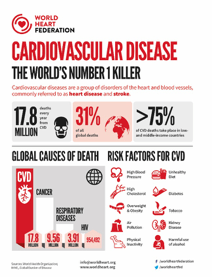
Partial sleep raises blood pressure and heart rate. One night of inadequate sleep raises blood pressure the following morning. It is believed that chronic partial sleep leads to chronic hypertension. Hypertension increases the risk of stroke. This risk in even greater if you have sleep apnea (a disorder in which breathing stops temporarily during sleep). Several studies show links between shortened sleep duration (less than six hours) and increases risk factors for cardiovascular diseases.
According to a review of 15 medical studies conducted in 2011, people with chronic sleep debt (sleeping less than 6 hours) had a 48% increases risk of developing or dying from coronary heart disease in a 7 – 25 year follow up period and a 15% greater risk of developing/dying from stroke during the same time. Now, if you think, sleeping a little longer than the normal for your age, can help fight off these diseases or playing catch-up over the weekend will be helpful, THINK TWICE! The same review also revealed a 38% increased risk of developing or dying from coronary heart disease and a 65% increased risk of stroke for those who averaged nine or more hours a night. Another study conducted by University of Chicago, determined a link between chronic sleep debt and increased coronary artery calcification. Additionally, chronic sleep debt increases C-reactive protein, which is released with stress and inflammation. High levels of C-reactive protein is a risk factor for cardiovascular diseases.
Bottom Line
Chronic sleep debt (sleeping less than six hours) is not good for us. It interferes with hormone production and regulation. Which can lead to weight gain and obesity affecting our quality of life. It leads to insulin resistance, increasing the chances of developing type-2 diabetes. It increases the stress on our heart, sleep deprived people show less heart rate variability. The stress on heart increases the production of C-reactive protein, increasing the risk of cardiovascular disease.
Next blog, we will discuss sleep in detail and how we can improve the quality and quantity of sleep?
Follow this blog and keep watching this space…………..
References
Knutson, K. L., & Van Cauter, E. (2008). Associations between sleep loss and increased risk of obesity and diabetes. Annals of the New York Academy of Sciences, 1129, 287–304. https://doi.org/10.1196/annals.1417.033
Leproult, R., & Van Cauter, E. (2010). Role of sleep and sleep loss in hormonal release and metabolism. Endocrine development, 17, 11–21. https://doi.org/10.1159/000262524
Chamorro, R. A., Durán, S. A., Reyes, S. C., Ponce, R., Algarín, C. R., & Peirano, P. D. (2011). La reducción del sueño como factor de riesgo para obesidad [Sleep deprivation as a risk factor for obesity]. Revista medica de Chile, 139(7), 932–940.
Bayon, V., Leger, D., Gomez-Merino, D., Vecchierini, M. F., & Chennaoui, M. (2014). Sleep debt and obesity. Annals of medicine, 46(5), 264–272. https://doi.org/10.3109/07853890.2014.931103
Cappuccio, F., et al., European Heart Journal, June 2011; vol 32: pp 1484-92.
Sidney, S., et al., Journal of the American Medical Association, December 2008; vol 300: pp 2859-2866.
Mullington JM , Progress in Cardiovascular Diseases, 2009; 51: pp 294-302.
Muscogiuri, G., Tuccinardi, D., Nicastro, V. et al. Sleep disturbances: one of the culprits of obesity-related cardiovascular risk?. Int J Obes Supp 10, 62–72 (2020). https://doi.org/10.1038/s41367-020-0019-z

 Human Factors HQ
Leave a comment